KYC vs AML: What’s the Difference in Compliance?
2 months ago


Dec 30, 2025
The DTCC has taken a major step toward bringing traditional financial markets on-chain. Its subsidiary, Depository Trust Company, recently received a No-Action Letter from the U.S. Securities and Exchange Commission. Behind the regulatory language, the message is simple: DTC is allowed to move forward with tokenizing real-world assets it already holds in custody, as long as this happens within a clearly defined and controlled framework.
This means assets like U.S. equities, ETFs, and Treasury securities can be represented as tokens on approved blockchain networks, without losing the legal protections investors rely on today. These tokens are not “crypto versions” of securities, but regulated representations with the same ownership rights and obligations. The service is expected to begin rolling out in the second half of 2026 and will initially be offered to DTC participants and their clients.
What makes this announcement stand out is not just the technology, but the intent behind it. Tokenization has long been discussed as something that might happen “one day,” usually limited to pilots or closed experiments. DTCC’s move shows that regulators are open to production-level blockchain infrastructure and that tokenization can fit within existing securities law. This is not about replacing traditional finance, but about connecting it to on-chain systems in a controlled way.
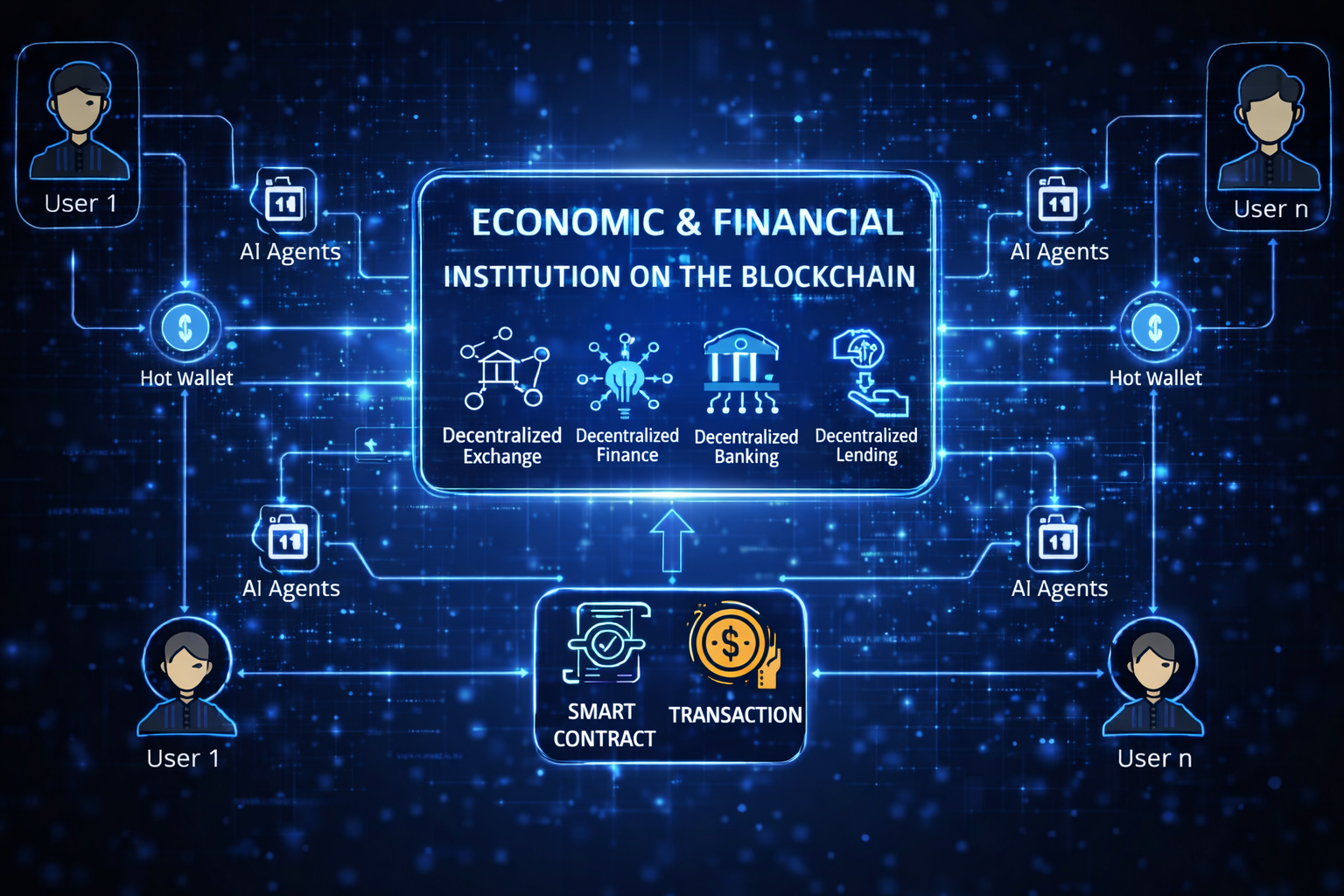
From the Cyberscope point of view, this is where the story becomes more complex. Moving assets like stocks or government bonds on-chain fundamentally changes how risk looks. Security is no longer just about protecting exchanges or individual wallets. It becomes embedded in the financial plumbing itself, in the smart contracts, permission rules, and access controls that make tokenization work.
To put it more plainly, when real-world assets go on-chain, a few things suddenly matter a lot more than before:

.png&w=828&q=75)